


Composite Vs Wood Decking: Finding the Perfect Fit for Your Outdoor Space
- libbie5
- Jul 24
- 3 min read

Choosing the right decking material can transform your outdoor area into a comfortable, attractive retreat. Two popular options are composite and wood decking. Each has unique qualities that suit different needs, budgets, and lifestyles. This guide breaks down the key differences to help you decide which decking material fits your outdoor space best.
Appearance and Aesthetic Appeal
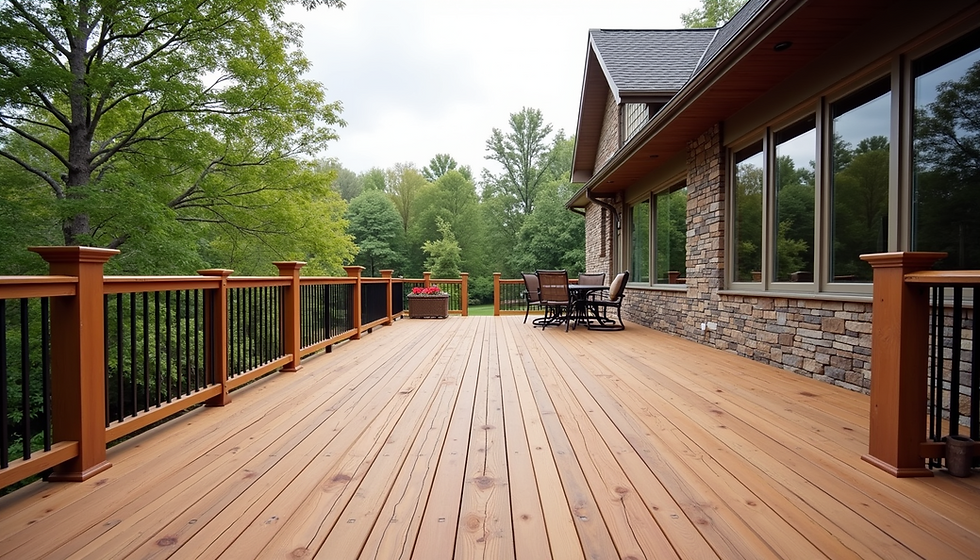
Wood decking offers a natural, warm look that many homeowners love. It comes in various species like cedar, redwood, and pressure-treated pine, each with distinct grain patterns and colors. Over time, wood develops a patina that some find charming, though it may fade or weather unevenly.
Composite decking mimics wood’s appearance but uses a blend of wood fibers and recycled plastics. It comes in a wide range of colors and textures designed to resist fading and staining. Composite boards often have a more uniform look, which appeals to those who prefer a clean, consistent finish.
Example: If you want a rustic, traditional deck that blends with natural surroundings, wood might be your choice. For a sleek, low-maintenance deck with consistent color, composite works well.


Durability and Maintenance
Wood decking requires regular upkeep to maintain its appearance and structural integrity. This includes annual sealing, staining, or painting to protect against moisture, UV rays, and insects. Without maintenance, wood can warp, crack, or rot over time.
Composite decking resists rot, insects, and moisture damage better than wood. It does not need sealing or staining and generally requires only occasional cleaning with soap and water. Composite boards can still scratch or fade slightly but usually hold up well for 15 to 25 years.
Example: A busy family who wants a deck that stays looking good with minimal effort might prefer composite. A homeowner who enjoys DIY projects and refinishing wood might lean toward wood decking.
Cost Considerations
Wood decking typically has a lower upfront cost than composite. Pressure-treated pine is the most affordable wood option, while exotic hardwoods can be more expensive. However, ongoing maintenance costs for wood add up over time.
Composite decking has a higher initial price but lower maintenance expenses. When factoring in the cost of sealants, stains, and repairs, composite can be more cost-effective over the long term.
Example: If your budget is tight upfront and you don’t mind regular maintenance, wood decking is a good option. If you want to avoid future maintenance costs, investing in composite decking pays off.
Environmental Impact
Wood decking comes from natural resources, and sustainably harvested wood can be an eco-friendly choice. However, some wood treatments use chemicals that may affect the environment.
Composite decking uses recycled materials, reducing waste and demand for wood. Some composites are made with eco-conscious processes, but the plastic content means they are not biodegradable.
Example: If sustainability is a priority, look for wood certified by the Forest Stewardship Council (FSC) or composite decking made with recycled content and low-impact manufacturing.
Installation and Repair
Wood decking is generally easier to cut and shape on-site, making it flexible for custom designs. Repairs can be simple, such as replacing individual boards or sanding out scratches.
Composite decking requires specific tools and fasteners designed for its material. While it is durable, damaged composite boards can be harder to repair or replace because of color matching and material differences.
Example: If you plan to build or modify your deck yourself, wood might be more user-friendly. For a professional installation with less frequent repairs, composite is a solid choice.
Comfort and Safety
Wood decking tends to stay cooler in direct sunlight, making it comfortable to walk on barefoot. It also offers a natural grip, reducing slip risks when wet.
Composite decking can absorb more heat, sometimes becoming hot under strong sun. However, many manufacturers add textures or coatings to improve slip resistance.
Example: In hot climates, wood decking may feel more comfortable. Composite decking suits areas where slip resistance and durability are more important.
Choosing between composite and wood decking depends on your priorities: appearance, maintenance, cost, environmental impact, and comfort. Both materials can create beautiful, functional outdoor spaces when selected to match your lifestyle.
Think about how much time you want to spend on upkeep, your budget, and the look you want to achieve. Visiting showrooms or viewing sample decks can help you visualize the final result.
Your outdoor space deserves decking that fits your needs and enhances your enjoyment for years to come. Take the time to weigh these factors carefully, and you’ll find the perfect fit for your home.



Comments